
Michigan Senate: McMorrow Exits, Field Narrows
From the PollingSource daily briefing for July 6, 2026
Michigan Senate: McMorrow Exits, Field Narrows
Mallory McMorrow, the Democratic state senator who built a national profile after a viral 2022 floor speech, suspended her campaign for the open Michigan Senate seat on Sunday. Her campaign cited weak polling — McMorrow had been running in the mid-single digits in a primary field that includes several better-funded rivals. She entered the race last year as one of the most recognizable names in Michigan Democratic politics but never converted that name recognition into durable support once the primary took shape.
McMorrow's exit simplifies a primary that had been crowded and, by most published surveys, static for months. The seat is open because of a retirement, and Democrats view it as competitive but winnable in a state President Trump carried narrowly in 2024. Her departure removes a candidate who had leaned into a combative, anti-establishment message — the same lane several Democratic strategists have been debating nationally in the wake of Zohran Mamdani's mayoral primary win in New York. Whether that lane still has takers in Michigan will now be tested by whichever candidates consolidate the void she leaves.
Democrats Split Over How to Talk About the Left
Maryland Governor Wes Moore, a Democrat frequently mentioned as a future national contender, used a Fox News interview to put daylight between himself and democratic socialist politics. "I do not prescribe to an ideology," Moore said, declining to align himself with the wing of the party that Mamdani's New York primary win has thrust into the spotlight. Moore has spent much of the past year positioning himself as a pragmatist governing a blue state with a Republican-friendly federal backdrop, and the interview reads as an early marker for a politician widely assumed to have national ambitions beyond Annapolis.
Moore's comments arrive as national Democrats are still working out how to metabolize Mamdani's victory. Some in the party see it as evidence of an energized base rewarding candidates willing to run further left on affordability and housing; others, including a number of House and Senate incumbents in swing districts, have been quick to note that New York City's electorate looks nothing like the battlegrounds that will decide the 2026 midterms. Moore's explicit distancing suggests the more cautious camp is not confined to red-state Democrats — it now includes governors in safely blue states who may be weighing their own future coalitions.
Johnson Turns Mamdani Into a Midterm Talking Point
Speaker Mike Johnson, meanwhile, is moving to make that intraparty tension a Republican asset. Johnson told reporters this week that "there are many Mamdanis popping up" in Democratic primaries around the country, framing the trend as evidence of a party drifting toward socialism ahead of the midterms. The comment is less an observation about primary data than an early messaging test — Republicans are betting that tying vulnerable House Democrats to Mamdani's brand of politics, regardless of whether those Democrats have anything in common with him ideologically, will be an effective attack line in competitive districts.
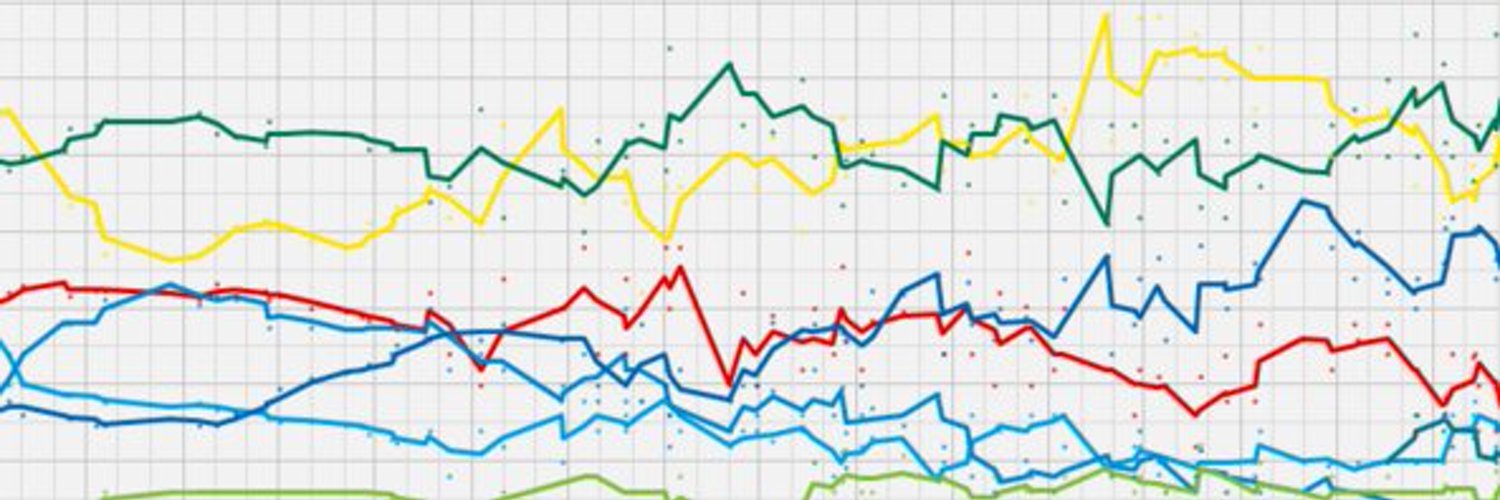
The strategy mirrors tactics Republicans used with "defund the police" messaging in 2020, and it puts pressure on Democratic candidates in swing seats to respond quickly and specifically rather than let the association calcify. Moore's Fox News answer this week may be an early template: distance without engaging, and let the ideological argument happen elsewhere. Whether that approach holds up under sustained attack from Johnson and other Republican leaders through next year's midterms is one of the more consequential open questions in the current primary cycle. Watch the generic ballot for early signs of whether the attack is landing — nationally, the generic ballot has moved only marginally over the past month, suggesting the argument has not yet broken through outside the races where it is being directly litigated.
Three storylines, one underlying tension: Democrats are still negotiating in public what kind of party they want to be heading into 2026, and Republicans are eager to make that negotiation itself the campaign issue.