
Three significant developments emerged this week across gubernatorial and congressional races, signaling shifts in Democratic primary dynamics and ongoing foreign policy disputes within the chamber. Maine's gubernatorial race saw incumbent Governor Janet Mills (D ME-GOV) withdraw from her reelection bid, clearing the field for progressive candidate Graham Platner. Meanwhile, foreign policy tensions surfaced as Rep. Jason Crow (D CO-01) criticized troop withdrawals from Germany, and incumbent Rep. André Carson (D IN-07) fended off primary challengers in Indiana's 7th District.
Maine Gubernatorial Race: Mills Exits, Platner Advances
Governor Janet Mills (D ME-GOV) withdrew from her reelection campaign Thursday, effectively handing the Democratic gubernatorial nomination to progressive challenger Graham Platner. The decision reflects a significant realignment within Maine's Democratic establishment, with senior leadership ceding ground to a more populist candidate.
Defense and Foreign Policy: Trump Administration Draws House Criticism
Rep. Jason Crow (D CO-01) publicly criticized the Trump administration's decision to withdraw 5,000 troops from Germany, characterizing the move as poor foreign policy management. The withdrawal stems from disagreements between President Trump and German Chancellor Friedrich Merz over U.S. handling of Iran and shipping in the Strait of Hormuz.
Polls
Generic Ballot: Democratic Lead Ranges Widely
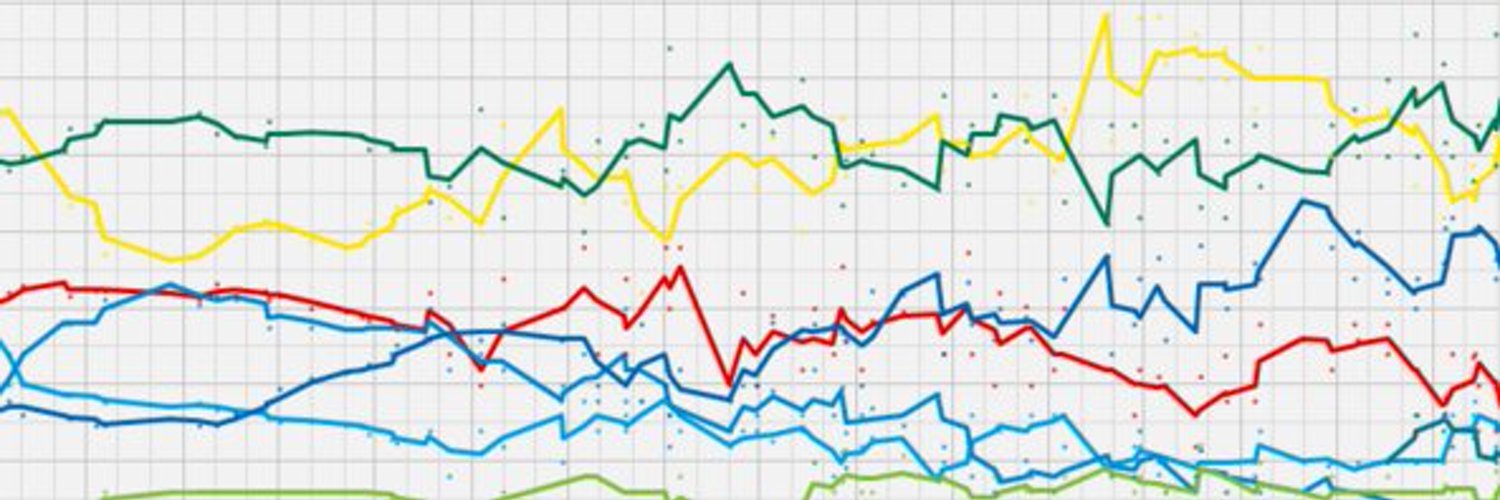
Generic ballot polling from the past 30 days shows Democrats leading Republicans across all ten surveys, but the margin varies considerably. NPR/PBS/Marist and RMG Research show the largest Democratic advantages at 10 and 9 points respectively, while Economist/YouGov polls show the narrowest gaps at 3 points. The median Democratic lead across all surveys stands at approximately 6 points.
The variation reflects different methodologies and sample compositions. Morning Consult and ABC News/Washington Post consistently register mid-range leads of 3–4 points. The Forbes/HarrisX poll, conducted May 5, shows the tightest race at 2 points, suggesting potential tightening in the most recent data. No survey shows a Republican lead, but the range from 2 to 10 points underscores uncertainty in voter preference intensity and likely turnout models.
Follow the Money
Minnesota Senate: Financial Disparity Between Democratic and Republican Fields
Angie Craig (D MN-SEN) maintains a commanding financial advantage, having raised 9.3 million dollars with 4.9 million dollars in cash on hand. Combined Democratic receipts total approximately 9.6 million dollars across three candidates, compared to 3.8 million dollars raised by five Republican candidates competing in the primary.
Margaret Flanagan (O MN-SEN), running as an independent, has raised 4.6 million dollars—positioning her as the race's second-best-funded candidate and exceeding all individual Republican totals. Michele Tafoya (R MN-SEN), the leading Republican fundraiser, has collected just 2.0 million dollars while spending only 186,972 dollars to date, leaving 1.9 million dollars in reserves.
The fragmented Republican field limits consolidated opposition spending. Adam Schwarze (R MN-SEN) and Royce White (R MN-SEN) have each spent substantially more than Tafoya despite raising less, indicating resource constraints heading into the general election phase.
Headlines
- Harris says Dems ‘rightfully outraged’ after Virginia Supreme Court tosses new map (The Hill)
Kamala Harris criticized the Virginia Supreme Court's decision to strike down a newly drawn congressional map, statin... - Trump on endorsing Cornyn or Paxton in Texas Senate runoff: ‘I’ll make a decision’ (The Hill)
Former President Donald Trump has not yet endorsed a candidate in the Texas Senate Republican runoff between incumben... - Jeffries still confident Democrats will take back House after Virginia redistricting ruling (The Hill)
House Minority Leader Hakeem Jeffries expressed confidence that Democrats can still retake the House despite a recent...
What to Watch
House Tossup Races in Southwest and California
Arizona's 1st District and Arizona's 6th District remain rated tossups by Cook Political Report, with both seats likely to see competitive general election matchups. In California, CA-13 and CA-22 are similarly unresolved, while CA-45 and CA-47 lean Republican according to Inside Elections and Cook Political Report respectively. These six races will serve as key indicators of suburban voter sentiment and regional shifts in House control.
Senate Races Shaping Chamber Control
Georgia's Senate race is rated lean Democratic by Cook Political Report, while Florida's Senate race is rated likely Republican by Sabato's Crystal Ball. The Georgia contest remains the more uncertain of the two and will be critical to monitor for any movement that could affect overall Senate balance. Track polling in both races for signs of momentum shifts among independent and swing voters.
Additional House Races to Monitor
Colorado's 8th District leans Republican, while Iowa's 1st District is rated likely Republican. Both districts warrant attention for indicators of Republican consolidation in traditionally swing terrain.
New Polls (0)
No polls with fresh fieldwork today.
How was today's briefing?
Get this briefing in your inbox every morning
Free. No password required. Unsubscribe anytime.