
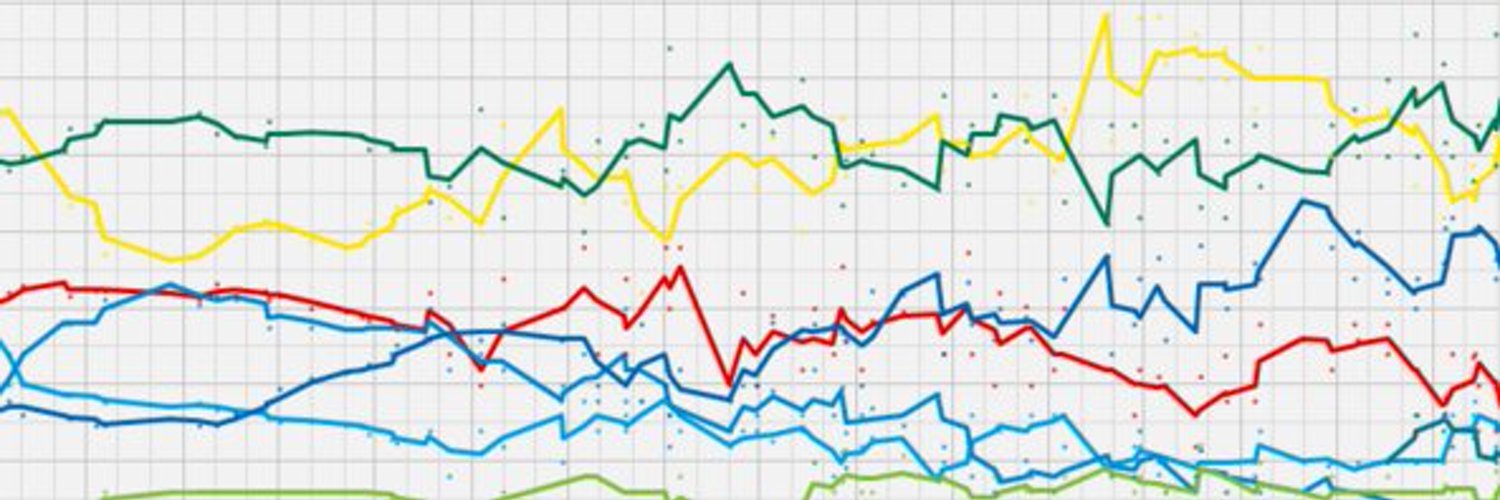
Ohio Governor: Acton Navigates a Divided Democratic Base
From the PollingSource daily briefing for July 14, 2026
Ohio Governor: Acton Navigates a Divided Democratic Base
The Ohio governor's race, rated a toss-up in the PollingSource average, is surfacing a strategic question that extends well beyond the state's borders: how should Democratic candidates in competitive states handle policy areas where the party's coalition is not aligned. Democratic nominee Amy Acton has drawn criticism from progressive activists after telling reporters that protections for women's sports are "settled law" in Ohio — a framing that treats the issue as closed rather than contested, and one that diverges from the more combative posture some Democratic officials and candidates have adopted in other states.
The comment did not emerge in a vacuum. It follows Supreme Court rulings that expanded state authority to set their own policies on the issue, effectively converting what had been a federal constitutional question into fifty separate state-level political fights. That shift changes the incentive structure for candidates. In states where Republican legislatures have already codified restrictions, Democratic nominees face a choice between litigating a fight they are unlikely to reverse in office or conceding the point and redirecting the campaign toward other terrain. Acton's "settled law" framing reads as the latter — an attempt to close off a line of attack rather than engage it.
The intraparty friction this has generated is instructive less for what it says about Ohio specifically than for what it reveals about Democratic strategic disagreement heading into the fall. Progressives who object to Acton's framing argue that conceding the issue as settled cedes ground on a matter of principle and signals to the base that the party will not fight on cultural terrain even when polling on specific policy questions is closer than often assumed. Others within the party counter that in a state Donald Trump carried by a wide margin in recent cycles, resource allocation toward economic and health care messaging is the more defensible use of a finite campaign budget. Neither camp has public polling from the Acton campaign to settle the argument, and the disagreement is likely to recur in other gubernatorial and Senate contests as candidates calibrate similar tradeoffs.
Whether the episode moves numbers in the toss-up race is a separate question from whether it reflects a durable party fracture. Primary electorates and general electorates respond to this issue differently, and Acton's rivals will have their own incentive to keep the story alive through the fall regardless of its polling impact. For now, the more reliable signal is procedural: the fact that a Democratic nominee's attempt to defuse the issue generated public pushback from within her own coalition suggests the party has not converged on a single answer to how it should be handled in swing states, in Ohio or elsewhere.
Filing Season: South Carolina and the Fall Calendar
Attention now turns to the South Carolina special election timeline, where the pending schedule and the possibility of a Trump endorsement in the Senate primary remain open questions worth tracking. An endorsement, should one materialize, would likely reshape the primary's dynamics quickly, given the weight such endorsements have carried in recent South Carolina contests. No endorsement has been reported as of this writing, and any claim to the contrary should be treated skeptically until confirmed through official channels.
More broadly, filing deadlines across the map are beginning to clarify which races will be contested and which will not, information that matters as much for what it excludes as what it includes. PollingSource will continue tracking filings as they are certified rather than projected, and will update race pages as fields solidify ahead of the fall primary calendar.
The next several weeks should sharpen both stories — Ohio's intraparty debate and South Carolina's primary shape — considerably faster than the polling will.