
Michigan Governor: Republican Rivals Trade Fire in Primary Debate
From the PollingSource daily briefing for July 10, 2026
Michigan Governor: Republican Rivals Trade Fire in Primary Debate
The three leading contenders for Michigan's Republican gubernatorial nomination met Wednesday night for a debate that turned combative early and stayed that way, with the candidates using most of their time to attack one another rather than the eventual Democratic opponent. The Michigan governor's race has drawn a crowded GOP field competing to replace term-limited Democrat Gretchen Whitmer, and the exchange underscored how unsettled the primary remains with roughly a year until voters decide.
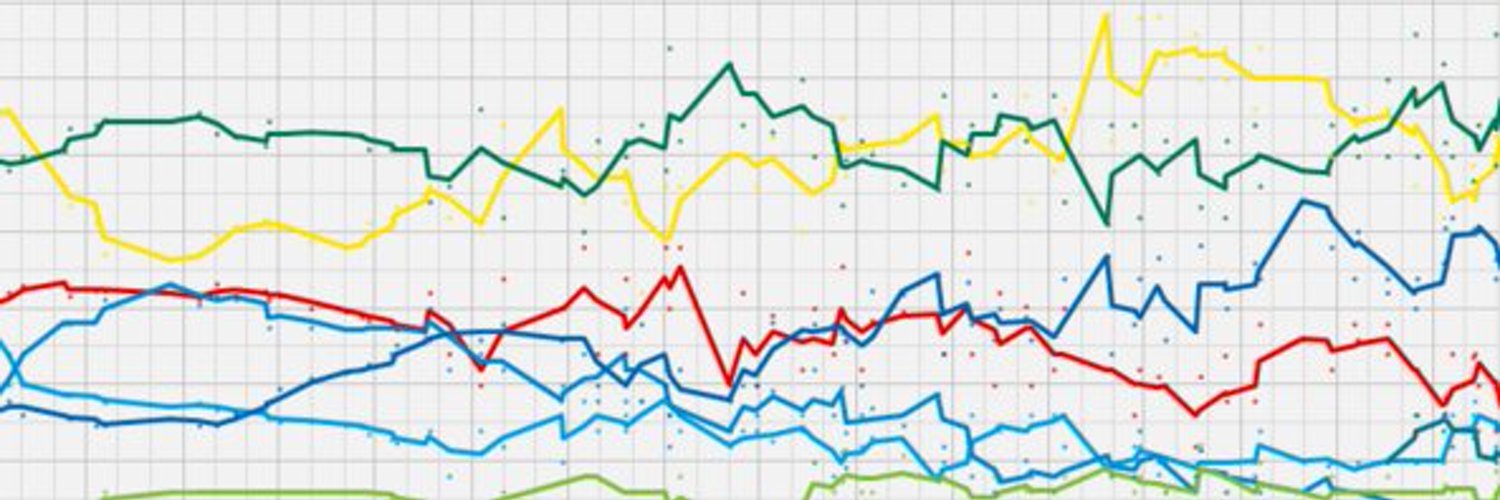
None of the three front-runners has established a commanding lead in public polling, and the debate did little to clarify the trajectory. Instead, the candidates spent significant time contesting each other's records on taxation, public safety, and fealty to Donald Trump — a familiar dynamic in Republican primaries since 2016, where alignment with the former president often matters more to primary voters than general-election positioning. Whether Wednesday's clash moves numbers will become clearer in polling over the coming weeks, but contentious debates this early in a cycle often harden factional lines rather than resolve them, a pattern that has historically made these primaries more expensive and more negative than the general election that follows.
Michigan remains one of the most closely watched governor's races on the 2026 map given its status as a perennial presidential swing state. National Republican strategists have expressed interest in a unified nominee emerging without a prolonged, self-inflicted wound; Wednesday's debate suggests that outcome is not imminent.
Romney Revives the Age Debate, Aims It at Both Parties
Mitt Romney, the former Utah senator and 2012 Republican presidential nominee, waded back into the generational debate this week, arguing that people over 80 "shouldn't be running the world" and suggesting American political leadership needs a younger bench. Romney, who declined to seek reelection in 2024 at age 77 and has been openly critical of his own party's direction, did not name specific individuals, but the remark lands amid ongoing scrutiny of the ages of the current president and prominent figures in both parties' congressional leadership.
The comments are notable less for their content — age and fitness for office has been a live issue since well before 2024 — than for their source. Romney has increasingly positioned himself as a voice willing to criticize Republican orthodoxy without a path back into elected office, giving him little incentive to soften the message. His remarks also arrive as speculation continues about the shape of the 2028 presidential field on both sides, where potential candidates well into their 70s and 80s remain in the conversation alongside a younger generation eager for a generational handoff.
Polling has consistently shown broad public appetite for younger leadership in the abstract, even when voters continue to reelect older incumbents in practice. Romney's comments are unlikely to shift that dynamic on their own, but they add to a steady drumbeat of intraparty and cross-generational commentary likely to intensify as 2028 speculation builds.
Ballot Measures Target Legislatures' Power Over Direct Democracy
Signature-gathering campaigns in Arkansas, Missouri, Montana, and Nebraska have submitted petitions for four separate 2026 ballot measures aimed at restricting state legislatures' ability to alter or override citizen-initiated laws once they pass. The measures, filed independently in each state, reflect a broader trend of activist groups seeking to insulate direct democracy from legislative revision after years of friction between voter-approved initiatives and statehouses controlled by the opposing political coalition.
The pattern is not new but has accelerated. Legislatures in several states have in recent cycles amended or repealed voter-approved measures on issues ranging from minimum wage to marijuana legalization to redistricting, prompting advocacy groups to pursue structural fixes rather than fighting the same battles initiative by initiative. The four measures now heading toward signature verification would generally require supermajority legislative votes, additional public votes, or outright prohibitions before lawmakers could amend citizen-passed statutes.
Each proposal still faces signature verification and, in some states, legal challenges over ballot title language before qualifying for the November 2026 ballot. The measures also raise a structural question voters will have to weigh independent of the underlying policy fights that triggered them: how much insulation from ordinary legislative revision a citizen initiative should receive once enacted. Passage in even one or two of the four states would likely encourage similar campaigns elsewhere in 2027 and 2028.
Taken together, Wednesday's developments point to a familiar late-cycle pattern — intraparty combat in the states, generational friction at the national level, and a quieter structural fight over how much power voters retain once they've already spoken at the ballot box.