
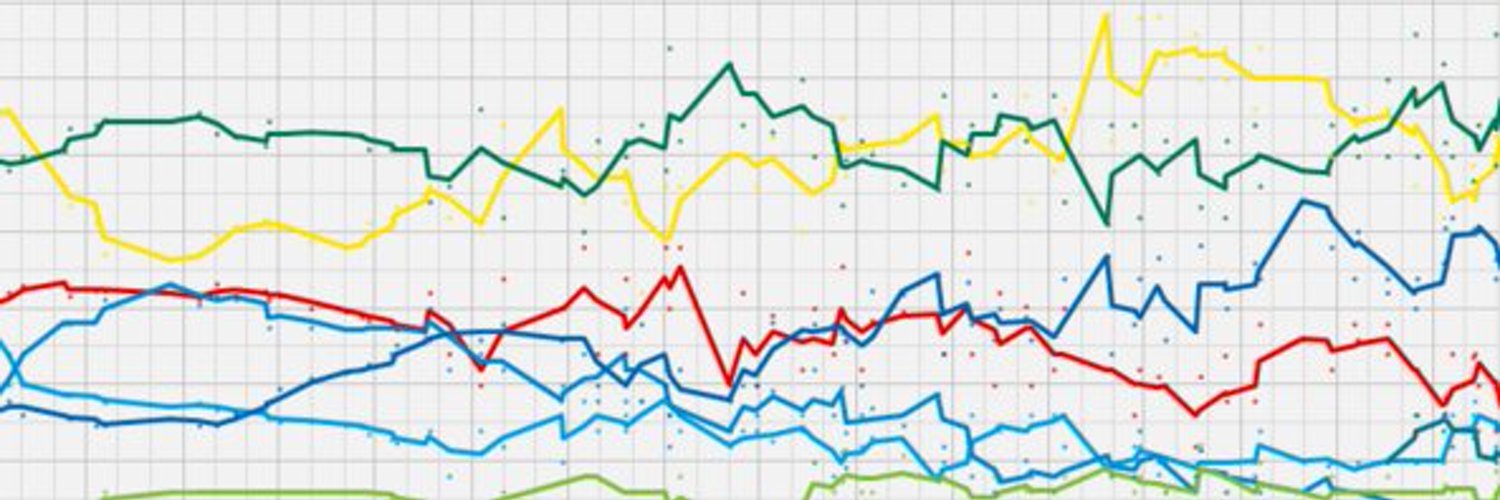
Nebraska Governor: Race Rated a Toss-up
From the PollingSource daily briefing for July 7, 2026
Nebraska Governor: Race Rated a Toss-up
PollingSource has added the Nebraska governor's race to its ratings board for the first time this cycle, classifying it a toss-up. Nebraska has not sent a Democrat to the governor's mansion since 2006, and Republicans have held the office continuously since 1999. A toss-up designation in this environment is notable less for what it says about any single poll and more for what it signals about the erosion of a historically comfortable Republican advantage in statewide races. The rating reflects fundamentals — fundraising, name recognition gaps, and early trial-heat numbers — rather than any single dramatic swing, and PollingSource will update the page as candidate filings finalize and primary contests take shape over the coming months.
The rating lands amid a separate but related development: a wave of ballot-initiative signature filings submitted this week to the Nebraska Secretary of State's office. One measure would raise the legislative threshold required to overturn a voter-approved ballot initiative, a direct response to repeated efforts by the unicameral legislature to amend or repeal measures — including past votes on medical marijuana and payday lending caps — that voters had approved directly. Proponents argue the current simple-majority threshold allows lawmakers to undo the will of the electorate too easily; opponents counter that a higher bar could freeze flawed or outdated statutes in place regardless of legislative consensus. The petition now enters a verification period in which the Secretary of State's office must confirm a sufficient count of valid signatures from registered voters before it qualifies for the November ballot.
Two additional initiatives filed this week would legalize online sports betting, an issue that has repeatedly stalled in the legislature despite Nebraska voters already approving retail casino gambling at licensed racetracks in 2020. The competing sports-betting measures differ in tax rate structure and licensing requirements, and both will need to clear the same signature-verification threshold before qualifying. Should both reach the ballot, voters could face two overlapping proposals — a scenario that has produced confusion and litigation in other states when competing initiatives on the same subject appear on a single ballot.
The interaction between the governor's race and these initiatives is not incidental. Ballot measures on gambling and legislative accountability tend to drive turnout among voters who do not typically follow down-ballot statewide races, and campaigns on both sides of the governor's contest are already signaling they will lean on the initiatives to shape their coalitions. A higher-turnout environment driven by sports-betting measures, in particular, could alter the electorate's composition in ways that are difficult to model this far out — one reason PollingSource's initial toss-up rating carries wider-than-usual uncertainty bands.
Elsewhere, developments are pending on multiple fronts worth tracking in tandem with Nebraska. Graham Platner's campaign status remains unresolved, with Maine Democratic Party officials yet to issue further public statements clarifying the party's posture toward his candidacy. Arizona's own signature review for its slate of ballot measures is proceeding on a parallel timeline to Nebraska's, and any disqualifications or court challenges in either state could reshape the November ballot landscape well before the general election takes final shape.
Nebraska's rating is a reminder that toss-up status can emerge quietly, without a single triggering event — and that down-ballot measures often do as much to determine turnout as the marquee race itself.