
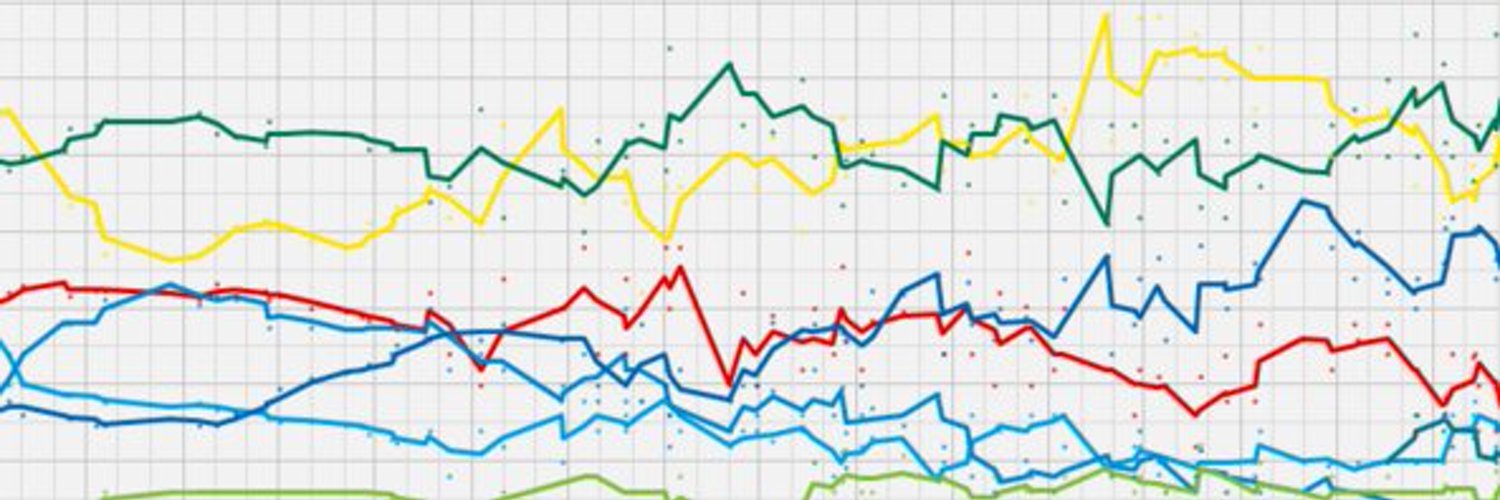
President Trump urged South Carolina Republicans to adopt aggressive redistricting tactics, echoing Tennessee's recent approval of a congressional map designed to eliminate that state's sole House Democrat. The statement signals continued executive pressure on state legislatures to maximize partisan advantage in map-drawing ahead of the 2026 cycle.
South Carolina Redistricting: Trump Signals Aggressive Approach
President Trump told South Carolina Republicans to be "bold and courageous" on redistricting, following Tennessee Republicans' adoption of a new congressional map that targets the state's only Democratic House member for elimination. The remarks represent direct presidential encouragement for partisan map optimization, establishing a template for other Republican-controlled legislatures considering similar strategies during the 2026 redistricting cycle.
What to Watch
Monitor South Carolina legislative action on redistricting and observe whether Trump's messaging accelerates map adoption in other Republican-controlled states currently reviewing district lines.
Polls
Generic Ballot: Democratic Lead Widens in Recent Surveys
Recent generic ballot polling shows Democrats maintaining a consistent advantage heading into the midterm cycle. Across ten surveys conducted between late April and early May, Democrats averaged 48.5 percent support compared to 42.7 percent for Republicans—a 5.8-point spread. The Financial Times and NPR/PBS/Marist polls registered the largest Democratic leads at 8 points each, while Forbes/HarrisX showed the narrowest gap at 2 points.
Variation across pollsters suggests some uncertainty in the underlying fundamentals. The Economist/YouGov survey stood as an outlier, with Democrats at just 44 percent and only a 3-point lead—substantially lower than peer organizations. Sample sizes ranged from 1,155 to 3,167 respondents, with larger samples generally correlating with larger Democratic advantages. The most recent RMG Research poll, completed May 6, recorded a 9-point Democratic lead, the highest in the dataset.
The consistency of Democratic positioning above 44 percent across all ten surveys, paired with Republican support clustering in the 39–46 percent range, indicates structural Democratic strength in current voter preference, though the magnitude remains contestable depending on methodology.
Follow the Money
Pennsylvania House: Fitzpatrick's Cash Advantage in Toss-Up District
Brian Fitzpatrick (R PA-01) maintains a substantial financial edge over Janelle Stelson (D PA-01) despite both candidates raising similar totals. Fitzpatrick holds 7.3 million in cash on hand versus Stelson's 3.3 million—a more than 2-to-1 advantage—while spending at nearly identical rates (49% disbursement ratio for Fitzpatrick, 29% for Stelson).
The disparity reflects Fitzpatrick's superior cash reserves entering the final stretch, allowing greater flexibility for late-cycle spending. Stelson has burned through less of her war chest but faces a narrower runway with significantly lower liquid resources. In a district rated toss-up, cash availability often determines media presence and ground operations in the closing weeks.
Fitzpatrick's financial position does not guarantee victory but provides measurable operational advantages that could prove decisive in a competitive race where polling suggests neither candidate has consolidated support.
Headlines
- Trump tells SC Republicans to be ‘bold and courageous’ ahead of vote on redistricting (The Hill)
President Trump urged South Carolina Republicans to be 'bold and courageous' on redistricting, following Tennessee Re...
What to Watch
Southwest House Races Remain Highly Competitive
Arizona's 1st and 6th Districts and California's 13th and 22nd Districts are rated as tossups by Cook Political Report, indicating minimal structural advantage for either party in these seats. Performance in these four races will serve as key indicators of broader regional sentiment heading into Election Day. Monitor polling shifts in these districts closely, as movement here often precedes statewide trends.
Senate Races Show Divergent Trajectories
The Florida Senate race is rated Likely Republican, suggesting a steeper climb for Democratic candidates in this state. Conversely, Georgia's Senate race is rated Lean Democratic, reflecting competitive dynamics that could shift with candidate performance and turnout patterns. Watch for movement in either race, particularly following any debate performances or new polling releases, as these two contests carry significant implications for chamber control.
California's Coastal Districts Signal Broader Dynamics
CA-45 and CA-47 are rated Lean Republican, suggesting Republican gains in traditionally competitive coastal territory. Track spending patterns and candidate recruitment in these districts as indicators of which party views them as priority targets.
New Polls (0)
No polls with fresh fieldwork today.
How was today's briefing?
Get this briefing in your inbox every morning
Free. No password required. Unsubscribe anytime.