
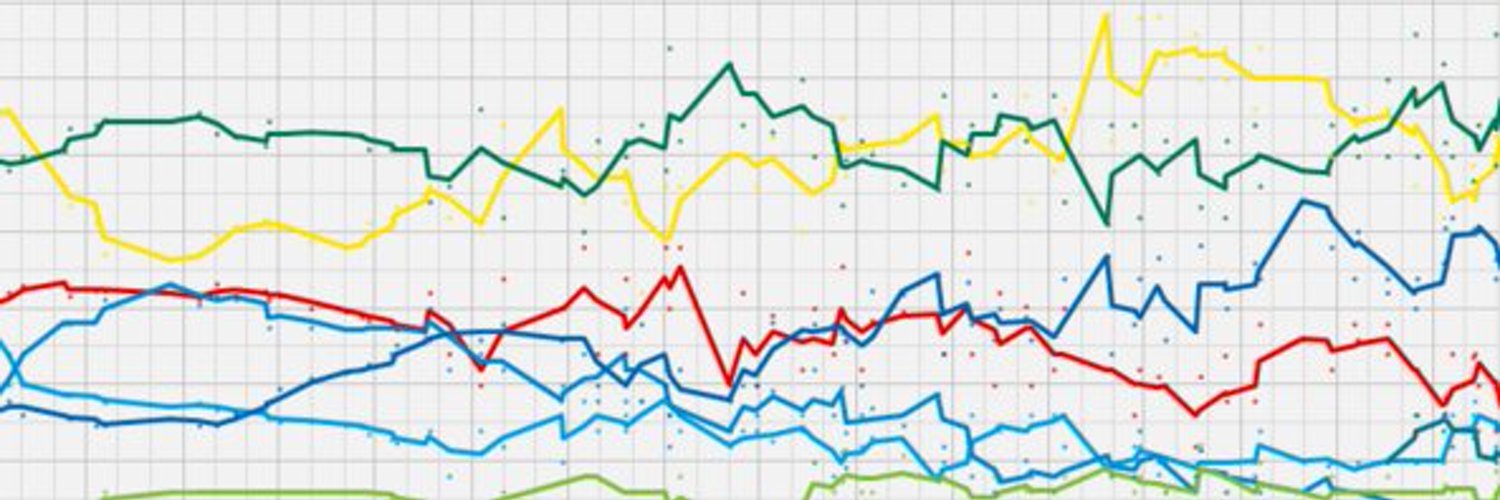
Generic Ballot: Democrats Hold Five-Point Lead
Quantus Insights released a national generic congressional poll showing Democrats at 47 percent and Republicans at 42 percent among likely voters, a five-point Democratic advantage. The sample of 1,452 respondents reflects the current national environment with seven months remaining until the midterm elections. This result aligns with recent tracking data indicating Democrats have maintained or slightly extended their position on the generic ballot.
Wisconsin House: Van Orden Signals Campaign Inattention
Representative Derrick Van Orden (R WI-03) stated he is not actively monitoring his reelection campaign despite being less than seven months from the general election. When questioned about a Democratic redistricting initiative in Virginia, Van Orden indicated he was not following developments closely. The remarks suggest a candidate focused on current legislative duties rather than active campaign positioning heading into the final stretch of the election cycle.
California Governor's Race: Democratic Field Remains Fragmented
Six Democratic candidates participated in California's first major gubernatorial debate Wednesday, following Representative Eric Swalwell's exit from the race. The debate produced no clear momentum shifts or frontrunner consolidation, with Democratic candidates struggling to differentiate themselves. The field continues to lack unity ahead of the June 3 nonpartisan primary, leaving the competitive landscape uncertain as two Republican candidates prepare for the same contest.
Election Law Changes Advance in Multiple States
West Virginia's Republican-controlled legislature enacted a constitutional amendment resolution requiring U.S. citizenship for voting, placing the measure on the ballot for voter approval, along with 10 other election bills signed by Governor Patrick Morrissey. South Dakota enacted 21 election measures during its session, including proof-of-citizenship requirements for voter registration. Oregon enacted five election bills, including campaign finance measures allowing security-related expenses. These actions reflect continued state-level divergence on election administration and voter access policies.
Senate Republicans Divided on Budget Framework
Senators Lisa Murkowski (R AK) and Rand Paul (R KY) voted against a budget resolution addressing the two-month Department of Homeland Security shutdown. Additionally, four Republican senators, including Susan Collins (R ME) and Murkowski, voted against an amendment to add the SAVE America Act to a budget reconciliation package. The defections highlight divisions within the Republican conference over the legislative approach to budget priorities.
Watch tomorrow: Developments in California's gubernatorial primary dynamics following Swalwell's withdrawal and any updates on Senate negotiations over the DHS shutdown resolution.
Polls
| National Generic Quantus Insights (n=1452 LV) | Democrats 47.00% · Republicans 42.00% |
Follow the Money
Ohio Senate: Brown's Cash Advantage
Sherrod Brown (D OH-SEN) reported 25.98 million in total receipts with 17.03 million in cash on hand, the largest war chest among candidates in this filing. His disbursement rate of 34.5 percent suggests a measured spending approach relative to fundraising. The cash position provides significant resources for the final stretch of the election cycle, though the filing does not indicate opponent totals for direct comparison.
Michigan Senate: Dual Democratic Fundraising
Haley Stevens (D MI-SEN) and Mallory Mcmorrow (D MI-SEN) both appear in separate senate races, each raising between 8.6 and 8.9 million dollars. Stevens has deployed more of her funds, with a 61.8 percent disbursement rate compared to Mcmorrow's 57.2 percent. Both candidates maintain roughly 3.7 to 3.4 million in cash on hand, positioning them for continued advertising and operational spending.
Kentucky Senate: Morris's Spending Intensity
Nate Morris (R KY-SEN) has expended 7.88 million of his 8.59 million in receipts, a 91.8 percent disbursement rate that indicates aggressive spending against a limited remaining cash position of just 708,324 dollars. This spending pattern suggests either a concentrated final push or resource constraints limiting runway through election day.
Headlines
- Wisconsin Republican on reelection bid: ‘I don’t really follow that’ (The Hill)
Rep. Derrick Van Orden (R-Wis.) stated he is not actively focusing on his reelection campaign despite being less than... - Jim Jordan blames Democrats for 10 percent approval rating of Congress (The Hill)
Rep. Jim Jordan (R-Ohio) attributed Congress's historically low 10 percent approval rating to Democratic leadership, ... - Hardest Part Still To Come for Democrats After Virginia Win (RealClearPolitics)
Following a Democratic victory in Virginia, the party faces significant challenges ahead in addressing gerrymandering...
What to Watch
Arizona House Races: Competitive Suburban Battlegrounds
Arizona's 1st District and Arizona's 6th District both rate as toss-ups according to Cook Political Report, making them among the most closely watched House contests nationally. Both districts have shifted in recent cycles and will likely reflect broader trends in suburban voter behavior. Monitor turnout patterns and late campaign spending in these districts as indicators of momentum heading into election day.
California's Lean-Republican Seats
California's 45th District and California's 47th District are rated as lean Republican by Inside Elections and Cook Political Report respectively. These Southern California seats represent territory where Democrats have made gains in recent cycles. Watch for whether Democratic challengers can maintain competitive positioning or if Republican incumbents consolidate support.
Senate Races: Georgia and Florida
Georgia's Senate race rates as lean Democratic per Cook Political Report, while Florida's Senate race leans likely Republican according to Sabato's Crystal Ball. Georgia remains the most competitive statewide contest, while Florida represents a potential Republican pickup opportunity. Both will receive substantial outside investment and serve as bellwethers for regional performance.
New Polls (0)
No polls with fresh fieldwork today.
How was today's briefing?
Get this briefing in your inbox every morning
Free. No password required. Unsubscribe anytime.