
North Carolina Senate: Cooper's Fundraising Advantage Widens
Roy Cooper (D NC-SEN) significantly outraised Michael Whatley (R NC-SEN) in the latest fundraising quarter, bringing in nearly $14 million compared to Whatley's substantially lower haul. The funding gap reflects early financial momentum for the former governor in what is shaping up as a competitive race for the open seat. Cooper's advantage provides resources for sustained advertising and field operations heading into the general election cycle.
Minnesota's 2nd District: Republican Candidate Exits for Military Deployment
Tyler Kistner (R MN-02) has withdrawn from the race after losing narrowly to incumbent Angie Craig (D MN-02) in both 2020 and 2022. Kistner's departure due to a military deployment to the Middle East removes a well-known challenger from what was expected to be a competitive rematch. The race now remains open for Republican recruitment in a district where Craig has twice prevailed in close contests.
California Governor's Race: Steyer Secures Union Backing
Tom Steyer (D CA-GOV), the billionaire climate activist, secured a significant union endorsement while releasing a new sanctuary policy proposal. The backing strengthens Steyer's position as a top Democratic contender in the June 3 nonpartisan primary, which has undergone substantial reshaping following former Representative Eric Swalwell's (D CA-13) exit from the gubernatorial race and his resignation from the House over sexual misconduct allegations.
House Passes Aviation Safety Legislation
The House passed the ALERT Act with a 396–10 vote count, advancing legislation designed to prevent aviation collisions following last year's fatal crash between an Army helicopter and commercial aircraft near Washington, D.C. The measure's overwhelming passage on its second attempt suggests consensus on the need for enhanced collision-avoidance systems in commercial aviation.
Watch tomorrow: Whether additional House members announce departures or pressure from misconduct allegations, and developments in Georgia's gubernatorial race as Rick Jackson's heavy advertising spend continues to reshape the Republican landscape.
Polls
```htmlGeneric Ballot: Democratic Advantage Widens
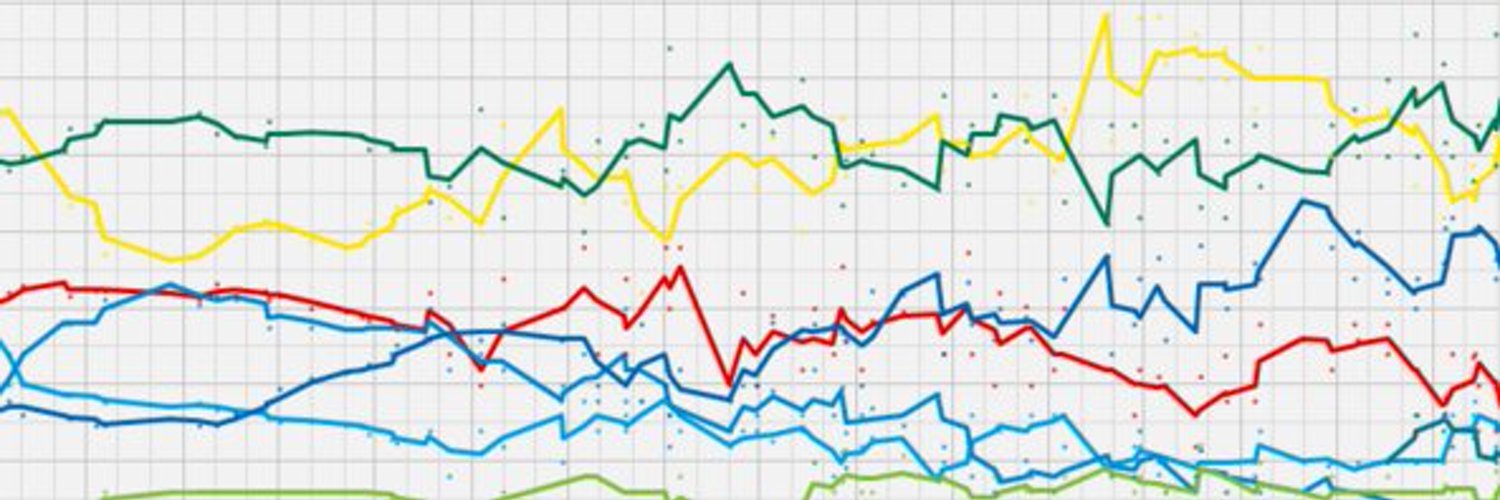
Recent generic ballot polling shows Democrats maintaining a consistent lead heading into 2026. The most recent Economist/YouGov survey (April 13) gives Democrats a 5-point edge at 45 percent to 40 percent for Republicans. Earlier RMG Research data from April 9 showed a larger 5-point spread (49-44), while Morning Consult and Cygnal surveys place the gap at 3 points. Across ten polls spanning six weeks, Democrats average 46.1 percent compared to 41.9 percent for Republicans—a consistent 4-point advantage with minimal volatility.
North Carolina Senate: Cooper Maintains Edge
In North Carolina's Senate race, Roy Cooper (D NC-SEN) leads Chuck Whatley (R NC-SEN) by margins of 6 to 8 points across two polls. High Point/YouGov shows Cooper at 50 percent versus Whatley's 42 percent, while Quantus Insights reported 49-44. Both surveys suggest Cooper has established a notable advantage in this competitive state.
Ohio Senate: Husted Ahead
Jon Husted (R OH-SEN) holds a 3-point lead over Sherrod Brown (D OH-SEN) in Bowling Green/YouGov polling, 50-47 percent. This represents a tighter race than North Carolina, with Husted positioned as the current favorite in Ohio.
```Follow the Money
Ohio Senate: Brown's Cash Advantage
Sherrod Brown (D OH-SEN) maintains a substantial financial edge, reporting 25.98 million in total receipts with 17.03 million cash on hand. His disbursements of 8.95 million through the filing period suggest a disciplined spending pace relative to his war chest. The Ohio Senate race traditionally draws significant national investment, and Brown's funding position reflects the competitive nature of holding a statewide seat in a state that has trended Republican in recent cycles.
Michigan Senate: Dual Democratic Campaigns
Haley Stevens (D MI-SEN) and Mallory Mcmorrow (D MI-SEN) both report strong fundraising totals of 8.87 million and 8.62 million respectively, though their cash-on-hand figures diverge notably. Stevens shows 3.39 million available while Mcmorrow has 3.69 million, despite higher cumulative disbursements. Both candidates remain in active spending mode with burn rates suggesting sustained campaign operations through the election period.
Kentucky Senate: Morris Burns Through Resources
Nate Morris (R KY-SEN) presents a concerning cash position, holding only 708,324 after expending 7.88 million of his 8.59 million raised. His disbursement rate indicates aggressive spending with minimal reserves remaining, which constrains flexibility for closing-stage advertising and campaign activities. The financial tightness suggests limited room for responding to late developments in what Kentucky has historically been a Republican-favoring race.
Headlines
- Republican House candidate drops out of Minnesota race for Middle East deployment (The Hill)
Republican House candidate Tyler Kistner has withdrawn from the 2026 race for Minnesota's 2nd Congressional District ... - SAVE Act: Election Control for Me, Not for Thee (RealClearPolitics)
Washington lawmakers continue to debate the SAVE Act (Safeguard American Voter Eligibility Act) even as the nation fa... - Rick Jackson cannonballed into the governor race. It’s having ripple effects across Georgia. (Politico)
Rick Jackson's aggressive entry into Georgia's gubernatorial race and heavy media spending is creating disruption acr...
What to Watch
Southwest House Races Remain Highly Competitive
Arizona's 1st and 6th Districts (AZ-01, AZ-06) are rated tossups by Cook Political Report, reflecting narrow margins in two seats Republicans gained in 2022. Both districts include substantial suburban and independent-leaning voters. Turnout modeling and persuasion efforts in these districts will be critical indicators of the broader House map's direction.
California's Central Valley and Coastal Contests
CA-13 and CA-22 remain tossups, while CA-45 and CA-47 lean Republican according to Inside Elections and Cook Political Report. These four seats represent a concentration of competitive territory in California, where demographic shifts and redistricting have created multiple viable battlegrounds. Campaign spending and field operations in these districts will signal resource allocation strategies.
Senate Control: Georgia and Florida
Georgia's Senate race (D GA-SEN) leans Democratic, while Florida's (R FL-SEN) is rated likely Republican by Sabato's Crystal Ball. Georgia remains the chamber's most contested seat, where turnout and crossover voting patterns will determine control. Monitor polling movement in both races as primary season concludes and general election messaging takes shape.
New Polls (0)
No polls with fresh fieldwork today.
How was today's briefing?
Get this briefing in your inbox every morning
Free. No password required. Unsubscribe anytime.