
Generic Ballot: CNBC Finds Four-Point Democratic Edge
From the PollingSource daily briefing for July 18, 2026
Generic Ballot: CNBC Finds Four-Point Democratic Edge
CNBC's July 12 survey of 1,000 registered voters puts Democrats ahead 49 to 45 on the generic congressional ballot, a four-point spread that lands comfortably inside the band of recent registered-voter surveys rather than marking any fresh movement. Treated in isolation, a four-point edge more than a year out from the midterms would invite speculation about momentum. Treated alongside the broader run of releases this cycle, it reads as confirmation of a range that has held for weeks: mid-single-digit Democratic advantages, with little evidence either party is breaking out.
The generic ballot's value has always been more diagnostic than predictive at this distance from Election Day. It measures which party's brand voters currently prefer in the abstract, not how that preference will translate district by district once actual nominees, incumbency effects, and turnout patterns are set. Registered-voter samples, like CNBC's, also tend to run a few points more favorable to Democrats than likely-voter screens will once those become standard closer to the election — a methodological quirk pollsters and campaigns both understand, and one worth keeping in mind before over-reading any single topline number.
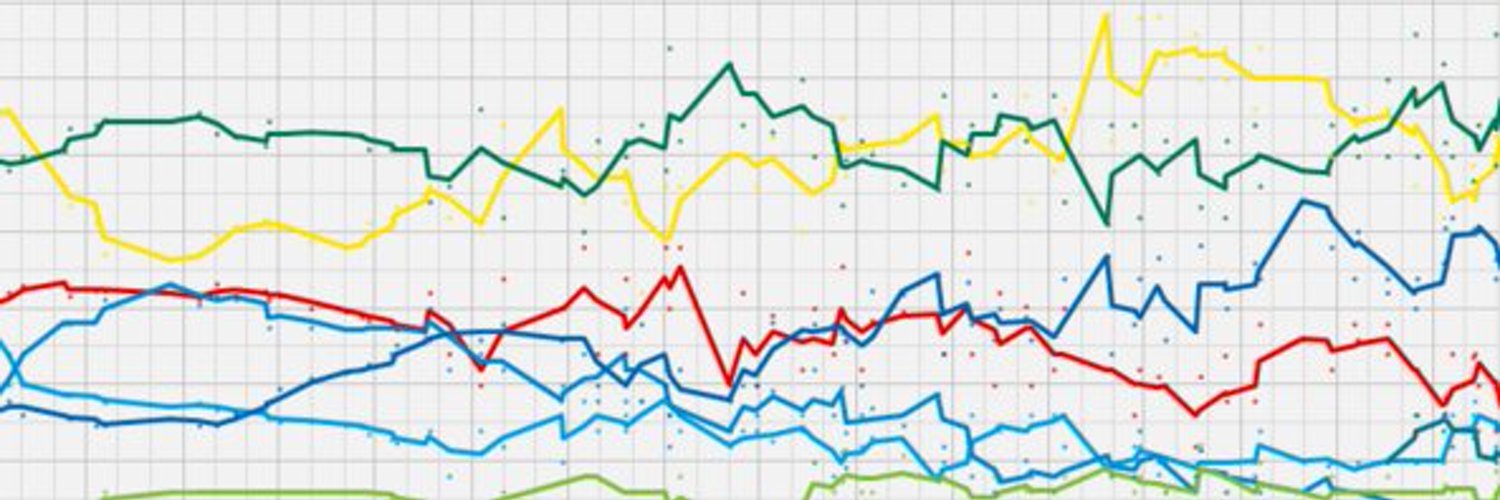
What makes this release notable is less the number itself than its consistency. Generic ballot polling has a history of volatility tied to news cycles — a shift after a major legislative fight, a court ruling, or an economic data release can move the topline by several points within a single week, only to fade. That CNBC's finding sits so closely in line with other recent surveys suggests the underlying environment has been comparatively stable through the summer, even as other indicators of political mood have not necessarily told the same story. Stability at this stage does not guarantee stability in the fall, when campaign spending intensifies and voters begin paying closer attention to individual contests rather than party labels.
For now, the practical takeaway is restraint. A four-point Democratic edge in a registered-voter poll is data worth logging, not a signal worth extrapolating into seat projections. The next several releases — particularly any that shift methodology toward likely voters — will do more to clarify whether this range holds, narrows, or widens as the midterms approach.