
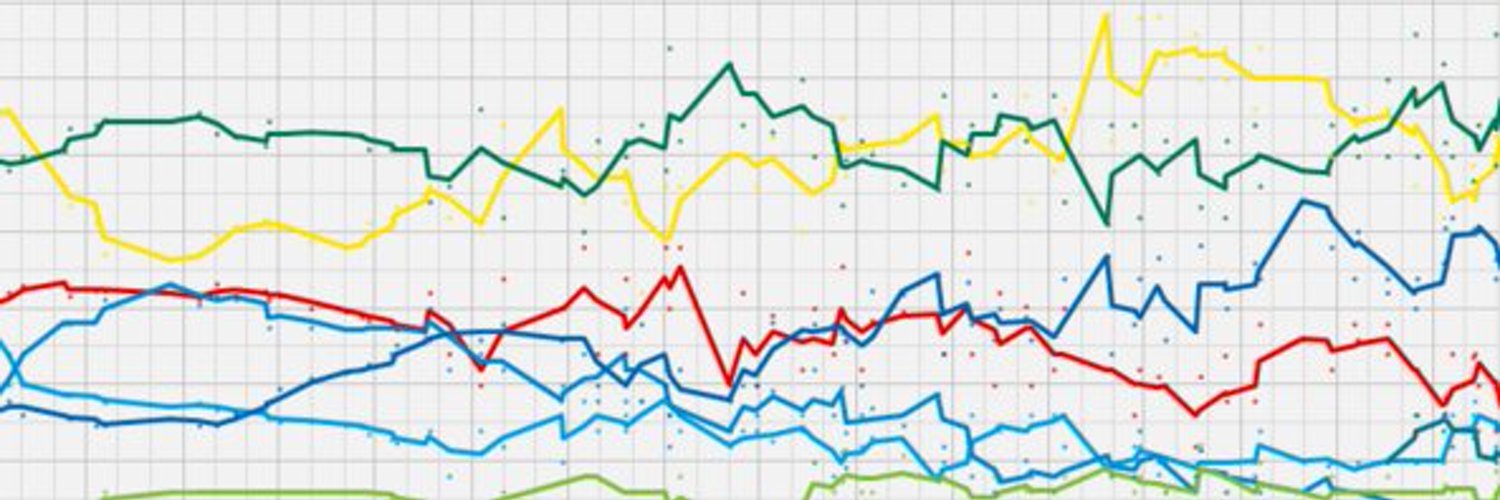
Generic Ballot: Archive Adds a June Survey Showing a Wider Democratic Lead
From the PollingSource daily briefing for July 10, 2026
Generic Ballot: Archive Adds a June Survey Showing a Wider Democratic Lead
PollingSource's generic ballot archive has been backfilled with a Data for Progress poll fielded through June 21, putting Democrats ahead of Republicans 46-34 among 447 likely voters. The 12-point spread is the widest Democratic advantage in the archive's recent stretch, well outside the three-to-eight-point range shown in surveys already logged for the same period. Sample size is worth flagging up front: 447 respondents is on the small end for a poll meant to represent the national electorate, which produces a wider margin of error — likely close to five points — than the topline suggests.
The gap between this result and the rest of the field is not necessarily a sign that one poll is wrong and the others right. Generic ballot surveys vary by likely-voter screens, weighting choices, and the order in which the question is asked, and Data for Progress has historically shown results a few points more favorable to Democrats than the polling average. That house effect is well documented and is one reason PollingSource's model weights individual polls rather than treating each as equally informative. Still, a 12-point margin lands at the outer edge of what methodology alone typically explains, and it arrived at a moment — late June — when several other outlets were already showing the Democratic lead narrowing from where it stood earlier in the spring.
The practical effect of adding a late-arriving outlier is mostly archival. Averages that incorporate the poll will tick upward for the period it covers, but a single 447-respondent survey carries limited weight against the larger pool of concurrent polling already on file. The more useful takeaway for readers tracking the generic ballot is the spread itself: a range running from three points to twelve points within the same three-week window underscores how much house effects and sampling choices still shape the topline number, even when every poll agrees on direction. Anyone using the generic ballot to project House seat outcomes should treat the trendline, not any single data point, as the signal — and treat a double-digit outlier as a prompt to check methodology before treating it as evidence of a shift.
Separately, watch tomorrow for further entries into the Maine Democratic field and any consolidation among candidates before the state party sets a nominating timeline. New filings there will start to clarify how contested that primary will be heading into the fall.
The lesson from this week's archive update is a familiar one: the generic ballot's direction has been consistent, but its magnitude remains a moving target depending on who's asking.