
Generic Ballot: Democrats Hold Single-to-Mid-Digit Edge
From the PollingSource daily briefing for July 9, 2026
Generic Ballot: Democrats Hold Single-to-Mid-Digit Edge
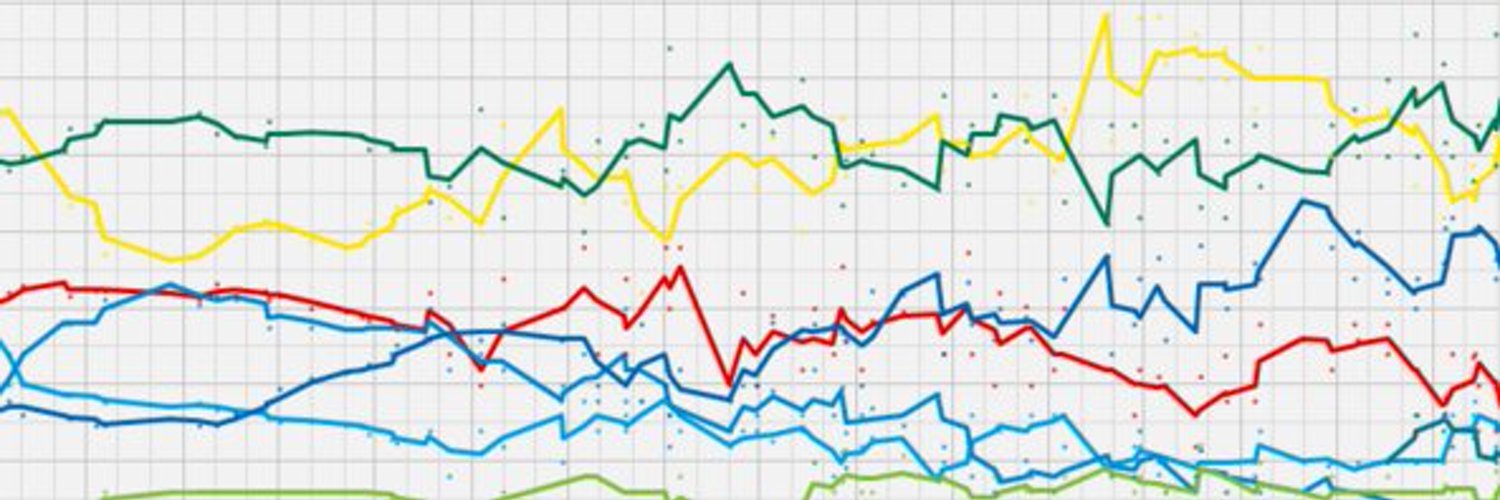
The latest batch of generic congressional ballot surveys reinforces a pattern that has held for weeks: Democrats lead, but the size of that lead depends heavily on which pollster is asking. Morning Consult's July 5 release, drawn from a sample of 24,000 registered voters, put the gap at just three points, 45-42. Cygnal's July 1 poll of 1,500 likely voters found a six-point spread, 50-44. Quantus Insights, surveying 1,140 likely voters through July 7, landed in between at 47-42, a five-point edge. Averaged together, the picture is a Democratic advantage somewhere in the low-to-mid single digits — but the range itself is the story.
Sample composition explains much of the divergence. Morning Consult's registered-voter universe tends to produce tighter margins than likely-voter screens, which typically filter out less-engaged respondents who lean more Democratic in midterm cycles historically marked by lower turnout among younger and lower-propensity voters. Cygnal and Quantus, both of which build likely-voter models, show larger Democratic margins here — a reversal of the usual pattern where tighter screens favor Republicans. That inversion is worth watching in subsequent releases, since it could reflect either genuine shifts in enthusiasm or methodological noise specific to each firm's turnout model.
House effects remain the dominant explanation for the spread rather than any detectable movement in underlying public opinion. Quantus and Cygnal have each shown Republican-leaning or more volatile results in past cycles depending on question wording and sample source, and Morning Consult's high-volume tracking poll is designed to smooth week-to-week swings rather than capture them. Taken together, the three surveys do not indicate a trend so much as they outline the boundaries of current uncertainty. A true shift would need to show up consistently across pollsters with different methodologies before it could be read as more than sampling variation.
For context, a Democratic advantage in the three-to-six-point range on the generic ballot has historically translated into competitive but not decisive House outcomes, given the current district map's efficiency for Republican-held seats. Whether that historical relationship holds in 2026 will depend on turnout patterns in swing districts that don't always mirror the national numbers.
Maine's Democratic Field Resets After Platner's Exit
The Maine Senate race enters a new phase now that Graham Platner has withdrawn from contention, clearing space in a Democratic primary field that had been defined largely by his candidacy. Attention now turns to who steps in to fill the vacuum — and how quickly. Party operatives will be watching for formal entries in the coming days, with recruitment efforts likely to intensify given the seat's importance to Democrats' broader path to a Senate majority.
The more immediate test may be Jordan Kleban's renewed bid. Kleban's re-entry follows a chaotic stretch in which the party's preferred contours for the race shifted more than once, and it remains unclear whether county chairs, labor unions, and other establishment-aligned actors will consolidate behind him or hold back to see if a stronger recruit emerges. Any hesitation would extend the uncertainty that has already made this one of the more unsettled Democratic primaries on the map, in a state where the general election matchup against the eventual Republican nominee is expected to be competitive regardless of who wins the nomination.
The next 48 hours should clarify whether Maine Democrats are moving toward consolidation or another round of internal friction — a distinction that will matter far more for the race's trajectory than any single national poll released this week.