
Generic Ballot: Democrats Lead by Single Digits in Two Fresh Polls
From the PollingSource daily briefing for July 8, 2026
Generic Ballot: Democrats Lead by Single Digits in Two Fresh Polls
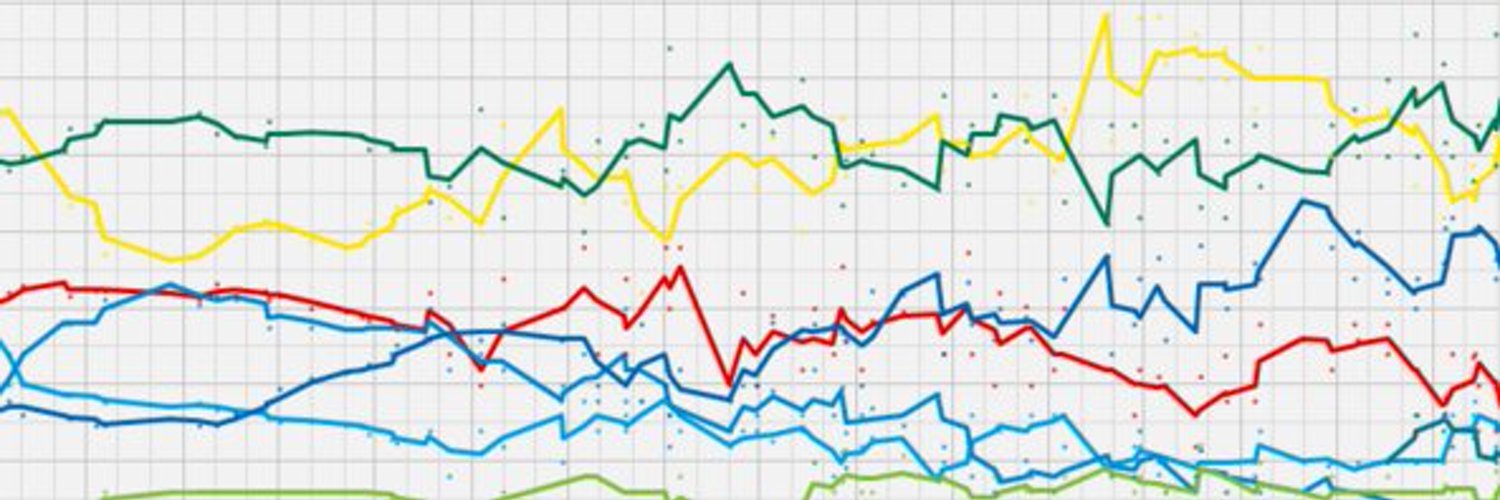
Two new entries in the generic congressional ballot average land in familiar territory: a Democratic edge that is real but far from commanding. Rasmussen Reports, surveying 2,224 likely voters through June 25, found Democrats ahead 46-42. Economist/YouGov, polling 1,443 registered voters through July 6, put the gap at 46-43. Both are within the range pollsters have shown for months — a mid-single-digit Democratic advantage that has proven remarkably resistant to whatever news cycle happens to be dominating a given week.
The more interesting story is what these two surveys have in common methodologically, and where they diverge from other outlets showing wider Democratic margins. Rasmussen's likely-voter screen has historically produced tighter results than polls of registered voters, since it tends to model an electorate more favorable to Republicans. That the same firm still finds a four-point Democratic edge is notable — it suggests the floor under Democratic support has held even in a poll designed to be more skeptical of turnout enthusiasm on the left. Economist/YouGov, by contrast, surveys registered rather than likely voters, a choice that generally captures a broader and somewhat more Democratic-leaning universe but says less about who will actually show up in November 2026.
That distinction matters because the generic ballot's predictive value has always depended on the gap between registered- and likely-voter samples narrowing as an election approaches. Right now, with four months before ballots are cast, both pollster types are converging on a similar mid-single-digit spread, which is itself informative. When methodologically different polls — one designed to be conservative on turnout assumptions, one designed to capture the full pool of registered voters — arrive at nearly identical toplines, it typically means the underlying partisan environment is more stable than the topline number of any single poll would suggest.
Still, a four-point edge is a modest one by historical standards. In prior midterm cycles, the generic ballot has needed to run considerably higher than this for the advantaged party to convert it into a decisive seat swing, given the concentration of House Democrats in fewer, higher-margin districts and the redistricting maps now in place in several states. Political operatives on both sides have long argued that a party needs roughly a seven-point national edge to be confident of a comfortable House majority; a 46-42 or 46-43 spread sits well short of that threshold, which is one reason strategists in both parties continue to describe the battle for House control as unsettled rather than decided.
It is also worth noting how much these two data points diverge from some of the double-digit Democratic leads reported by other outlets in recent weeks. That spread among pollsters is not unusual this far from an election, but it is a reminder that generic-ballot averages smoothing over such differences can mask real disagreement about the composition of the 2026 electorate — disagreement that will not fully resolve until turnout data starts arriving from actual primaries and special elections later this year.
None of this settles the question of which party is better positioned for the fall. It does suggest that anyone treating a single poll's topline as decisive is missing the more useful signal: an average that has held in a narrow band for weeks, even as individual surveys bounce within it.