
Generic Ballot: Democrats Ahead in Two New Surveys
From the PollingSource daily briefing for July 7, 2026
Generic Ballot: Democrats Ahead in Two New Surveys
The generic congressional ballot produced two Democratic leads this week, though the size of that advantage depends heavily on which pollster is asked and how the sample is built. A Financial Times poll of 1,795 registered voters, fielded through June 30, shows Democrats ahead 44-38, a six-point margin consistent with the range most public polling has shown since spring. A Daily Mail survey of 625 likely voters, by contrast, puts the Democratic edge at eight points, 50-42 — and does so with roughly a third of the sample size.
The discrepancy is a useful reminder that generic ballot polling is not a single number but a distribution shaped by methodological choices. Registered-voter samples, like the Financial Times poll, tend to include younger and more infrequent voters who lean Democratic but are less certain to turn out. Likely-voter screens, like the one used in the Daily Mail survey, attempt to model turnout more precisely, which can either sharpen or distort the picture depending on how the model treats midterm dropoff — a phenomenon that historically hits the party out of power in the White House less than the party holding it. With a smaller sample, the Daily Mail figure also carries a wider margin of error, meaning the true spread could plausibly sit closer to the Financial Times result, or further from it.
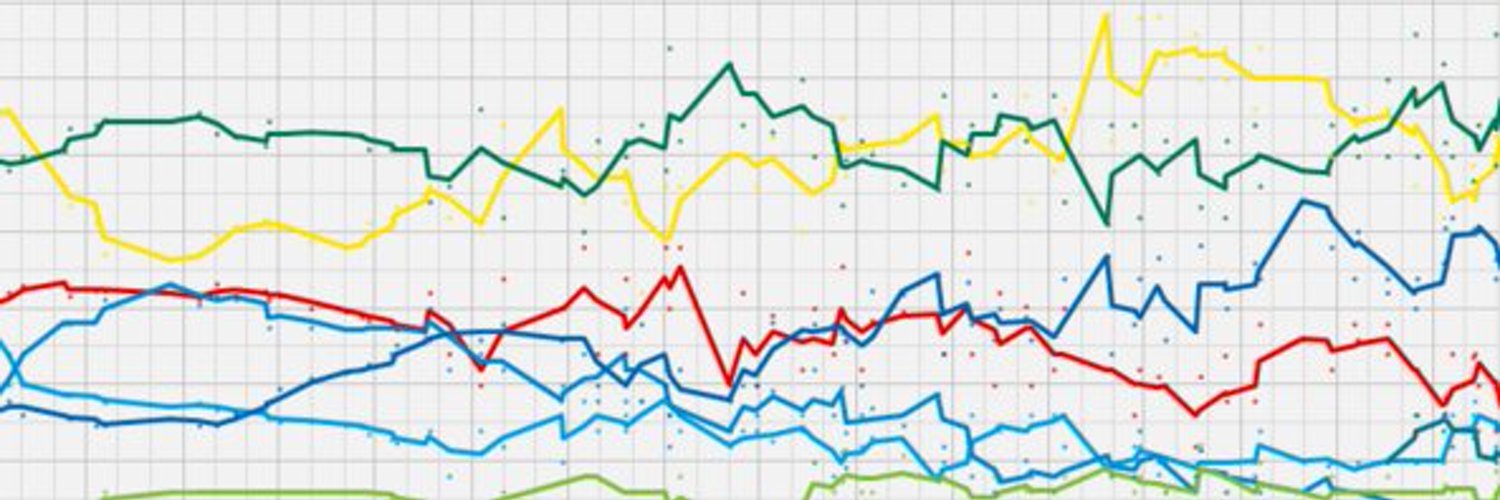
Neither poll should be read in isolation. The generic ballot has been one of the more reliable macro-indicators of House performance historically, but its predictive power comes from polling averages tracked over months, not any single release. A six-to-eight point Democratic edge in early July, roughly sixteen months before Election Day, says more about the current political environment than about any specific district outcome. Generic ballot margins have narrowed and widened repeatedly in past cycles as campaigns intensify, particularly once candidates are settled and paid advertising begins in earnest.
What is notable is the consistency of direction, if not magnitude. Both surveys place Democrats ahead by a margin exceeding the polling error typically seen in recent cycles, and both were fielded within days of each other in late June. That convergence — even amid a four-point gap in the topline margin — suggests the current environment favors Democrats more than it favors Republicans, a pattern that would need to hold or grow through the fall to translate into meaningful seat gains given the narrow House majority margins in play.
History offers a caution against overreading early-cycle generic ballot numbers. Democratic-leaning generic ballot advantages of similar size have appeared in past midterm cycles only to compress by Election Day, particularly when redistricting and candidate quality in individual races blunt national trends at the district level. The generic ballot measures national sentiment; it does not account for the incumbency advantages, fundraising disparities, or local dynamics that will ultimately decide control of the House battleground districts.
The wider point is one of pollster variance rather than a single definitive signal. Readers tracking the race should expect continued swings between six and ten points depending on sample composition, and should weight polling averages — not any individual survey — as the more durable measure of where the national environment stands heading into the fall campaign.