
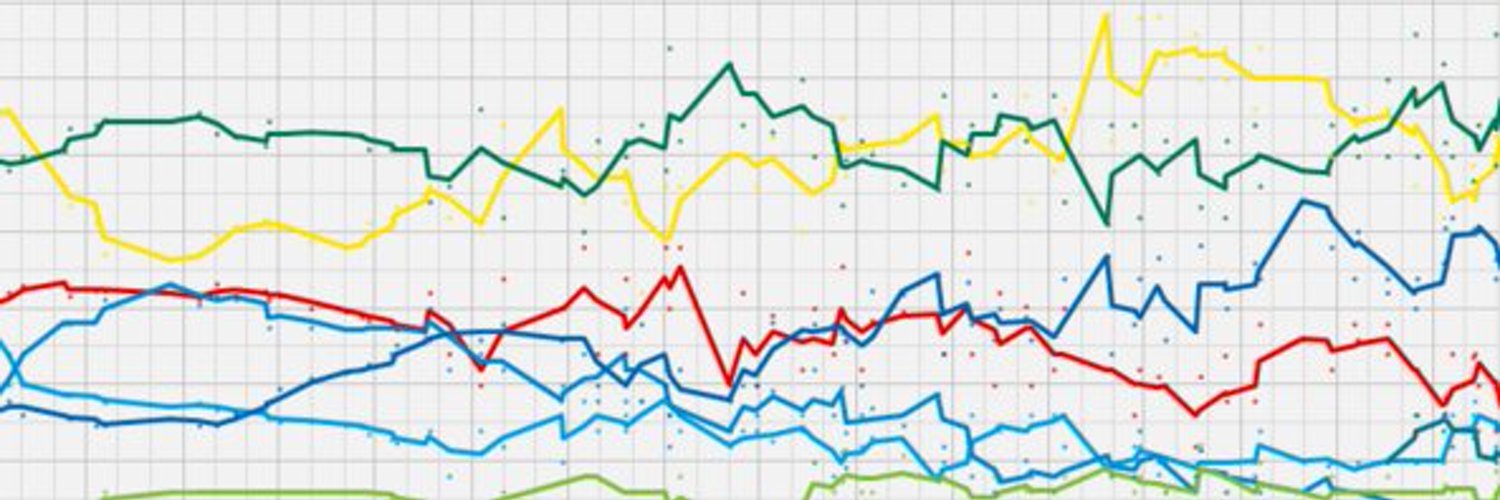
Georgia Republican Primary: Final 48 Hours Before Delegate Test
From the PollingSource daily briefing for June 16, 2026
Georgia Republican Primary: Final 48 Hours Before Delegate Test
Georgia Republicans head into Tuesday's primary with competing organizational infrastructures that will offer a tangible measure of relative strength between Donald Trump and Governor Brian Kemp (R GA-GOV). The contest extends beyond state office nominations—it serves as a proxy for which faction controls the Republican machinery in a state that has become a perennial battleground in presidential and statewide races.
Observers should monitor three specific indicators on June 16 and into Tuesday morning. First, the emergence of fresh internal polling data. Both camps have commissioned surveys, and any releases in the final 36 hours will signal confidence levels and potential concern about specific races or demographic performance. Second, surrogate deployment patterns matter. Trump-backed candidates and endorsed figures typically activate ground operations and media buys simultaneously; similarly, Kemp's organization signals intensity through coordinated mailers, digital spending, and high-profile endorsement statements. Third, last-minute candidate announcements—particularly any surprise endorsements or strategic pivots—often reveal which organization believes it has momentum heading into the vote.
The Organizational Stakes
Georgia's Republican primary results will demonstrate which faction controls grassroots activation capacity and donor networks. Kemp's 2022 reelection victory over Stacey Abrams (D GA-GOV) by roughly 8 percentage points suggested organizational durability despite the governor's public split with Trump over 2020 election claims. However, primary contests reward different skill sets than general elections. Lower turnout, higher ideological concentration, and candidate-specific enthusiasm create conditions where Trump-aligned challengers may perform disproportionately well.
The delegate allocation system compounds these stakes. Georgia Republicans apportion state delegates proportionally in statewide races but use winner-take-most allocation in congressional districts, creating incentive structures that reward penetration in specific geographic pockets. A Trump-backed candidate winning congressional districts in conservative North Georgia or the exurban Atlanta counties signals organizational reach; conversely, Kemp allies securing margins in suburban areas would suggest the governor's infrastructure remains functional in traditionally receptive territory.
What Final Polling Reveals
Any polling released between June 16 and primary day will be worth scrutinizing for methodological flags. Firms often adjust turnout models in the final stretch based on early vote data and contact rates. If Trump-leaning pollsters suddenly show wider margins, it may reflect assumptions about lower-propensity voter mobilization rather than actual survey movement. Similarly, Kemp-affiliated analysts may weight suburban and college-educated respondents differently than earlier waves, creating an illusion of tightening when underlying preference shifts modestly.
Historical turnout patterns in Georgia Republican primaries provide limited guidance. The 2022 primary drew approximately 1.1 million voters in a midterm cycle; 2024 featured higher engagement but occurred in a presidential year context. June 2026 will test whether primary participation settles into a new baseline or reverts to pre-2020 levels. Turnout composition—particularly the share of first-time or low-frequency primary participants—