
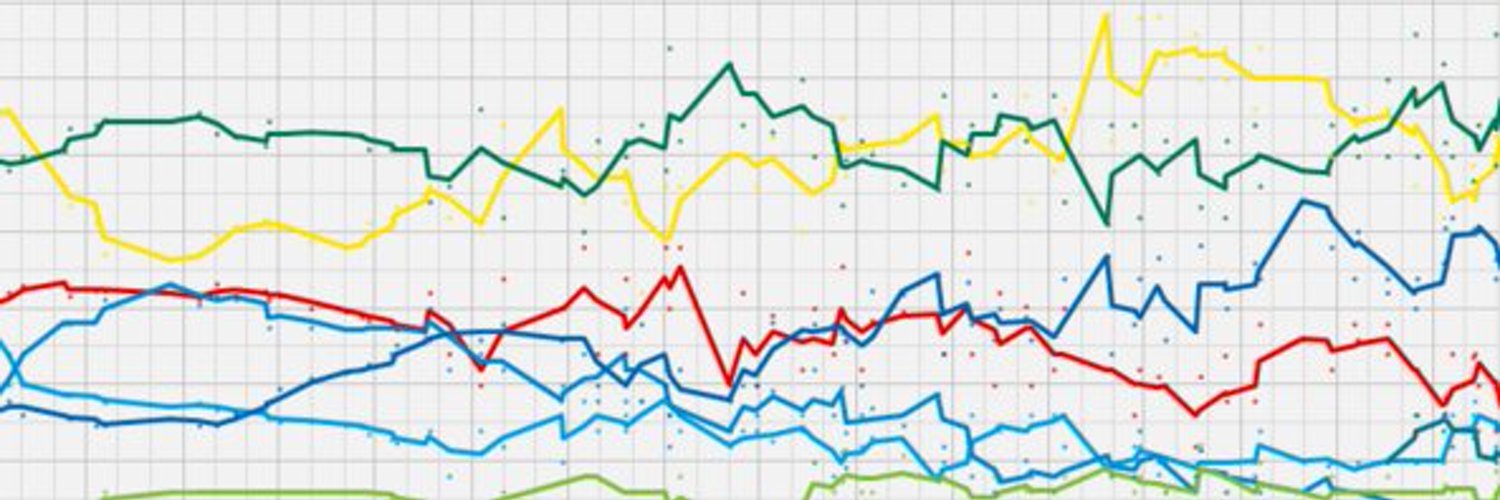
Seven-State Primary Wave: Testing Incumbent Strength and Base Energy
From the PollingSource daily briefing for May 29, 2026
Seven-State Primary Wave: Testing Incumbent Strength and Base Energy
The June 2 primary elections across Alabama, California, Iowa, Montana, New Jersey, New Mexico, and South Dakota will serve as an early indicator of organizational strength and voter intensity in both parties ahead of the 2026 midterm cycle. These contests encompass Senate, House, and gubernatorial races—a wide aperture through which to assess whether incumbents face credible primary opposition or proceed to November with undamaged political standing and unified coalitions.
Turnout data and margin sizes in these primaries warrant close attention. Low turnout combined with narrow incumbent victories could signal fractured base enthusiasm, while high turnout and decisive wins suggest mobilized parties heading into general election season. Primary outcomes also carry direct consequences: candidates who survive contested primaries often enter the general election weakened by intraparty spending, opposition research exposure, and candidate fatigue. Conversely, those who advance with minimal opposition preserve resources and messaging control.
Arizona and California House Tossups: Suburban Resilience Under Stress
Four House districts rated as tossups by Cook Political Report—Arizona's 1st and 6th Districts, along with California's 13th and 22nd Districts—represent the contested terrain where 2026 House control may ultimately be decided. These seats embody a core midterm dynamic: whether Democrats can consolidate suburban gains made in the 2018 and 2020 cycles or whether Republicans can recapture ground lost in affluent, college-educated areas during the Trump presidency.
California's competitive landscape extends beyond the four rated tossups. CA-45 and CA-47 lean Republican, suggesting that Republican recruitment and spending may be concentrated in the state's coastal and inland suburban corridors. The California primary on June 2 will clarify field dynamics in these districts: whether primary results produce general election nominees with demonstrable appeal in their respective districts or nominees aligned with more ideological bases whose crossover appeal remains uncertain.
Arizona's 1st and 6th occupy similar terrain—Sun Belt suburban districts where demographic change, education levels, and party affiliation have shifted notably over the past decade. These races will test whether either party has achieved durable coalition dominance in these areas or whether they remain genuinely swing territory dependent on candidate quality and national political conditions.
Senate Stakes: Georgia Lean Democratic, Florida Likely Republican
Senate control in the 118th Congress rests on a narrow margin, making the 2026 cycle consequential for chamber composition. Georgia's Senate race is rated lean Democratic by Cook Political Report, signaling Democratic advantage but not invulnerability. Florida's Senate race is rated likely Republican by Sabato's Crystal Ball, indicating Republican strength in the state but leaving room for Democratic competitive positioning.
Candidate recruitment dynamics in both states deserve sustained scrutiny through spring and early summer. Strong recruitment—candidates with executive