
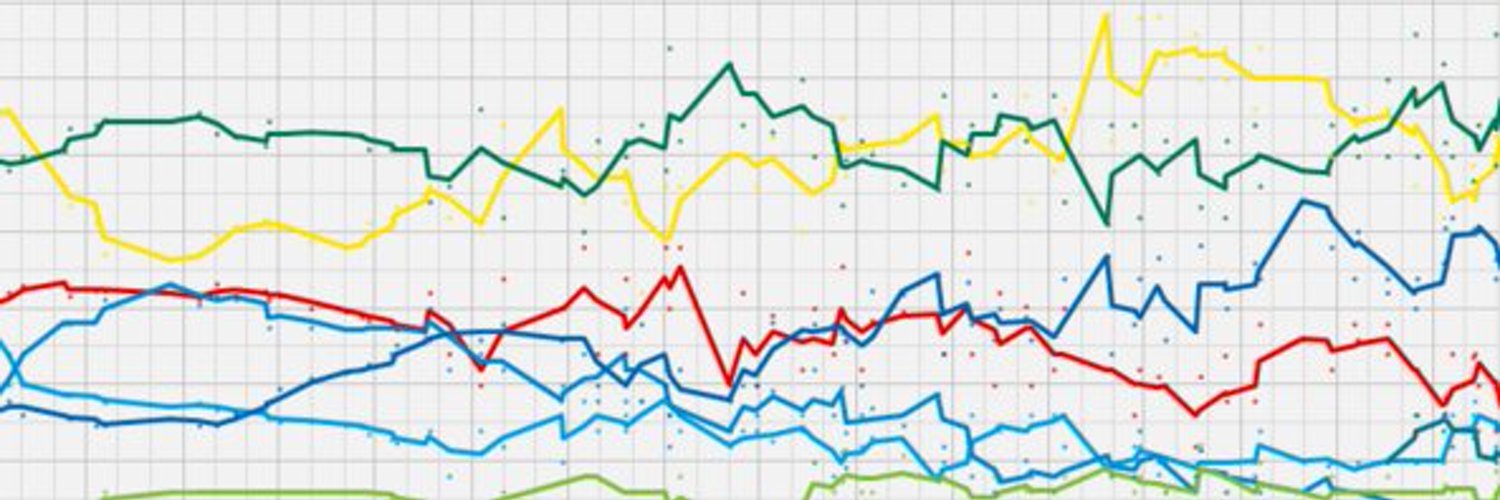
Generic Ballot: Democrats Maintain Six-Point Lead
Quantus Insights released a national generic ballot survey today showing Democrats at 47 percent and Republicans at 41 percent among 1,000 registered voters, a six-point Democratic advantage. The result aligns with the upper end of the range observed over the past week, where Democratic leads have oscillated between 2 and 8 percentage points depending on pollster methodology and sample composition. This survey employed a registered voter screen rather than a likely voter screen, which typically produces larger Democratic margins than likely voter models.
At this remove from the 2026 general election, generic ballot aggregates remain poor predictors of seat outcomes. The persistent variation across firms—driven by screening methodology, weighting practices, and sample timing—continues to limit actionable insight from national preference measures. District-level candidate viability, incumbent vulnerability assessments, and early spending commitments will provide more reliable indicators of competitive landscape than further national polling at this stage.
What to Watch
Monitor whether next week's generic ballot releases show continued clustering around the 5-7 point Democratic range or resume the wider volatility observed earlier this week. Candidate announcement activity and initial fundraising reports for competitive districts will offer more stable indicators of 2026 trajectory than additional national polling.
Polls
| National Generic Quantus Insights (n=1000 RV) | Democrats 47.00% · Republicans 41.00% |
Follow the Money
Ohio Senate: Brown's Strong Fundraising Position
Sherrod Brown (D OH-SEN) reported total receipts of 25.9 million dollars with 17 million dollars in cash on hand, substantially ahead of comparable Senate candidates in this filing cycle. Brown's spending rate—roughly 34 percent of receipts disbursed—suggests a measured approach to fund deployment heading into the general election phase. The cash-on-hand position provides significant runway for the final campaign period.
Michigan Senate Races: Split Fundraising Trajectories
Haley Stevens (D MI-SEN) and Mallory McMorrow (D MI-SEN) both reported fundraising totals in the 8.6 to 8.8 million dollar range, but with divergent burn rates. Stevens has disbursed 61 percent of receipts while McMorrow has spent 57 percent, indicating both candidates are in active spending mode. Stevens' remaining cash on hand (3.3 million dollars) trails McMorrow's (3.6 million dollars) despite slightly higher total receipts, a distinction that may reflect timing of expenditures rather than underlying fundraising strength.
Republican Senate Spending: Kentucky and North Carolina Contrasts
Nate Morris (R KY-SEN) presents an outlier case, having raised 8.5 million dollars but retaining only 708,000 dollars in cash on hand after disbursing 91 percent of receipts. This aggressive spending pattern differs sharply from Michael Whatley (R NC-SEN), who raised 8.4 million dollars and maintained a 2.5 million dollar cash reserve after spending 69 percent of receipts. Morris's depleted cash position in a competitive state may constrain flexibility for the final stretch.
Headlines
Visit pollingsource.com for the latest political news.
What to Watch
Arizona House Races Drive Southwest Battleground
Arizona's 1st District and Arizona's 6th District remain classified as tossups by Cook Political Report, making them critical indicators of swing-state performance. Both districts have shifted considerably in recent cycles, and turnout patterns and candidate-specific dynamics will determine outcomes. Monitor early voting data and internal polling releases from both camps in the coming weeks.
California Central Valley and Orange County
CA-13 and CA-22 are rated tossups, reflecting competitive dynamics in traditionally Democratic turf. CA-45 and CA-47 lean Republican but remain vulnerable, suggesting Democrats could target resources in Orange County if national conditions shift. Watch for spending patterns and candidate visibility in these districts.
Senate Control Scenarios
Florida's Senate race is rated likely Republican, indicating an uphill climb for Democrats. Conversely, Georgia's Senate race leans Democratic, though margins remain narrow. These two seats will likely determine chamber control; prioritize tracking polling movement and candidate messaging in both states through election day.
How was today's briefing?
Get this briefing in your inbox every morning
Free. No password required. Unsubscribe anytime.